

Types of Dental Crowns
Let’s take a look at the commonly used crowns in dental practice and their most popular features and limitations.
Metal crowns
Highlights:
- Full-coverage
- Snug-fit
- Long-lasting (survival rate is found to be similar to monolithic zirconia crowns) 1
- Strong and durable
Drawbacks:
- Poor aesthetics
Porcelain fused to metal crowns
Highlights:
- Combined durability of metal with the aesthetics of porcelain
- Better resistance to chips and cracks compared to all-porcelain crowns
Drawbacks:
- Due to the underlying metal, it is unable to achieve superior aesthetics like an all-ceramic or zirconia crown
- A thin black line appears near the gum when poorly fabricated
EMax Crowns
These are lithium disilicate crowns that are made from glass ceramic. They are known for their high strength, good colour stability, high wear resistance and biocompatibility. These properties make them an excellent choice for anterior and posterior restoration (monolithic and veneered prostheses).
Highlights:
- Superior aesthetics, which makes them an excellent choice for anterior restorations and can be used in anterior and posterior segments
- High fracture resistance 2
- More lifelike than most crowns, including zirconia 3
- Excellent marginal and interproximal fit as they are CAD/CAM manufactured
- Biocompatible
Drawbacks:
- May require greater tooth preparation, increasing the risk of a pulpotomy
- Specific indications for their use and not following it can result in crown fracture
- High cost may be a deterrent
Zirconia Crowns
Highlights:
- Have high flexural strength and monolithic zirconia are almost unbreakable
- Biocompatible, promoting healthy response from the surrounding periodontium 4
Drawbacks:
- Compromised aesthetics compared to Lithium Disilicate crowns
- Difficulty in adjusting the crown post cementation
- Wear on opposing teeth 5
DMLS (Direct Metal Laser Sintering) Crowns
These are new-age crowns that are manufactured using the DMLS 3D printing method. This technique fabricates crowns using a laser. During the procedure, the laser adds sintered metal powder particles layer-by-layer with incredible accuracy for the desired crown. 6
Highlights:
- Made of biocompatible materials like cobalt-chromium, titanium and other metal alloys
- Highly precise fitting crowns
- Exceptional resilience and durability
- Visually superior crowns that give a lifelike appearance
- The CAD/CAM technology enables dentists to create intricate crown structures
Drawbacks:
- Higher cost
The Digital Way of Crown Fabrication
As dental practices move towards digitisation, let’s look at how the dentist and patient experience changes with the advent of digital dentistry.
Digital dentistry has ushered in a new era of crown fabrication with several advantages for dentists and patients. Here are some advantages of digital crowns:
- Single-visit crowns: Accurate 3D digital models created using images collected from intraoral scanners can potentially fabricate and place crowns in just one visit!
- High accuracy: Intraoral scanners produce highly detailed and accurate 3D digital impressions, minimizing human errors common with traditional methods. This results in better-fitting crowns and minimal adjustments and remakes.
- Superior quality and durability: Digital crown fabrication uses superior, high-strength materials like zirconia with complex geometries, leading to stronger, more durable restorations. This improves the longevity of the crowns.
Here’s what the workflow looks like for Digital Crown Fabrication 8:
- Tooth preparation: Tooth preparation as per routine procedure.
- Intraoral scanning: Digital images of the teeth and bite are made using an intraoral scanner. 3D models are created. The software also helps create a virtual image of the prosthesis.
- Fabrication of temporary crown: Temporary crown is fabricated and any minor adjustments required are made to the fit of the crown.
- Fabrication of final crown: The final crown measurements are sent to the milling machine. The permanent crown is fabricated using ceramic in just a few minutes. The finishing and glazing are done and shade is matched with those of the adjacent teeth. Once these are approved by the dentist and patient, the crown is placed in the ceramic oven for 10-12 minutes. The fit of the crown is then checked intraorally. The permanent crown is delivered.
The entire process takes around 2 hours to complete, making dental crown fabrication possible in a single visit.
Protect your restorations and your patient’s gum health with.
Colgate’s Daily Gum Care Kit
Dental crowns with excellent fit and function can fall apart if the underlying periodontal health is compromised. With Colgate’s gum care kit, you can be assured of the longevity of your dental crown procedure.
Colgate Gum Care Kit contains:
- Total Advanced Health Toothpaste
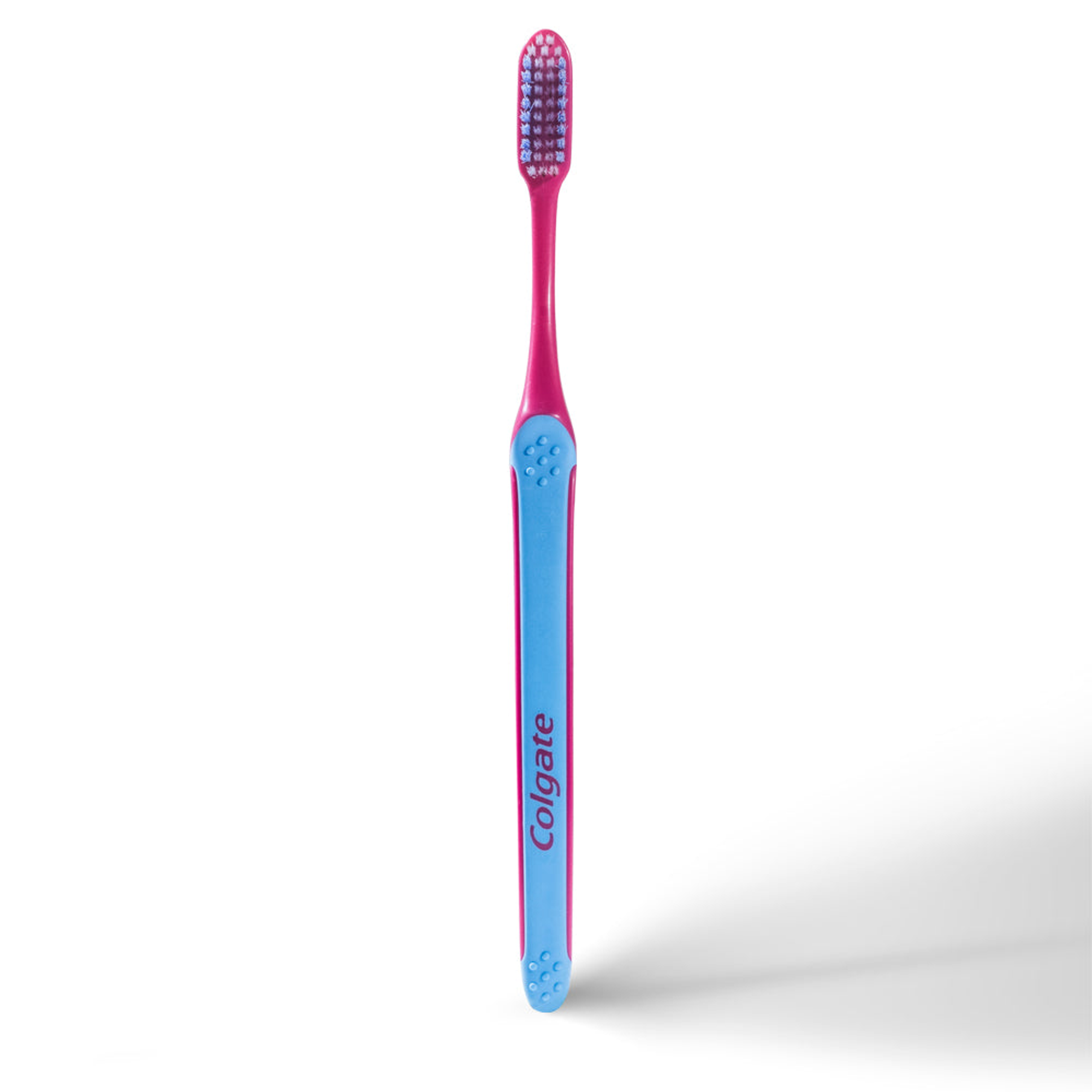
- Slimsoft Advanced Toothbrush
- Peppermint Plax Mouthwash
- Interdental Toothbrush
- Dental Floss
This Gum Care Kit:
- Protects gums
- Prevents plaque build-up and gingivitis
- Maintains periodontal integrity
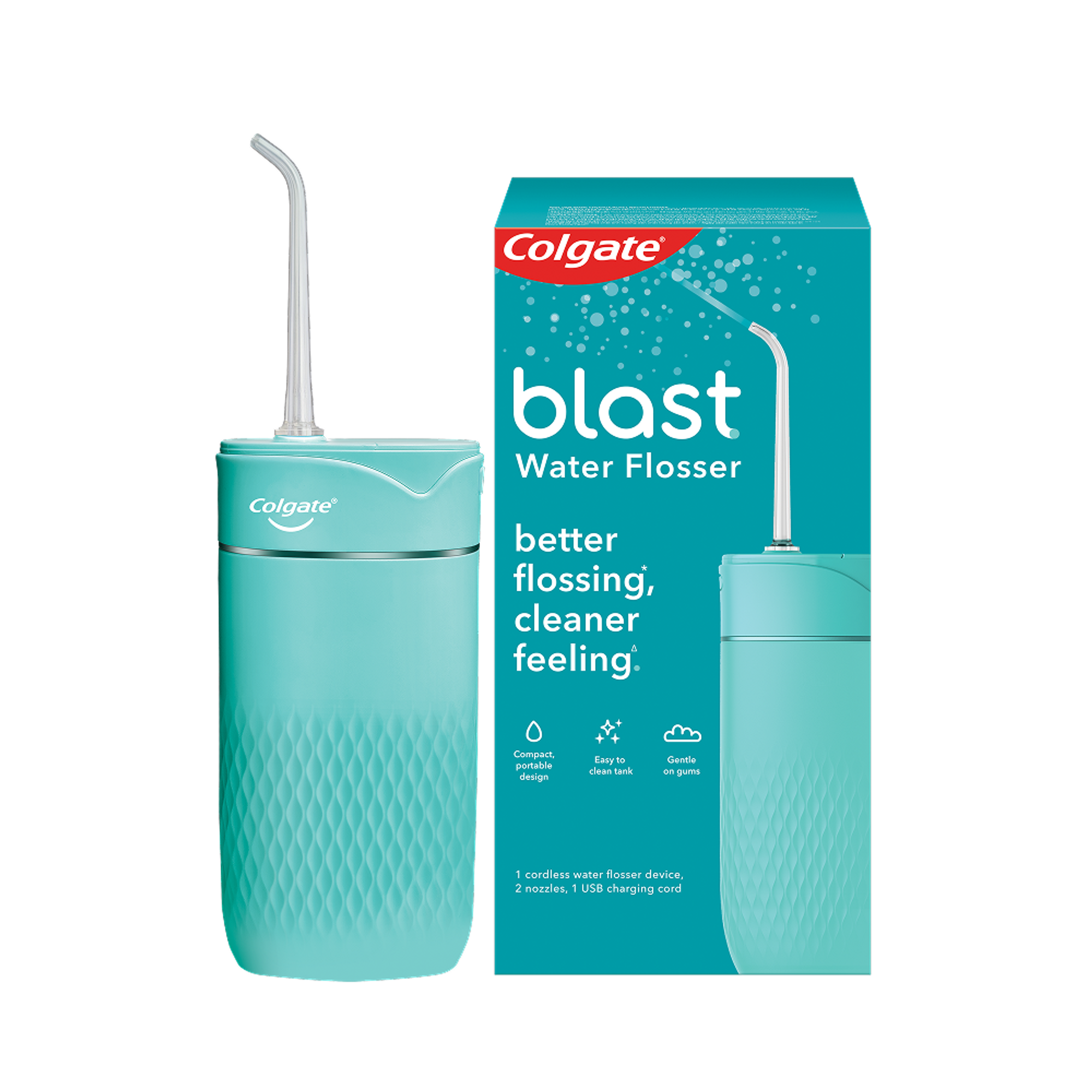
Colgate Water Flosser!
With 3 adjustable pressure modes and ultrafine stream of water that cleans between teeth, this water-resistant device is an excellent choice for patients with dental crowns, fixed partial dentures and braces.
Make crown care easy for your patients with Colgate!
References
- D’Souza, N. L., Jutlah, E. M., Deshpande, R. A., & Somogyi-Ganss, E. (2024). Comparison of clinical outcomes between single metal-ceramic and zirconia crowns. the Journal of Prosthetic Dentistry/the Journal of Prosthetic Dentistry. https://doi.org/10.1016/j.prosdent.2024.02.028
- Brandt, S., Winter, A., Lauer, H., Kollmar, F., Portscher-Kim, S., & Romanos, G. E. (2019). IPS E.Max for All-Ceramic restorations: Clinical survival and success rates of Full-Coverage crowns and fixed partial dentures. Materials, 12(3), 462. https://doi.org/10.3390/ma12030462
- Dolidze, T., & Bitarova, I. (2017). Advantages and dısadvantages of E-MAX and ZırconıaCrowns. European Scientific Journal, 12(10). https://eujournal.org/index.php/esj/article/download/8631/8261
- Bilgin, M. S., Erdem, A., & Tanrıver, M. (2016). CAD/CAM Endocrown Fabrication from a Polymer-Infiltrated Ceramic Network Block for Primary Molar: A Case Report. the Journal of Clinical Pediatric Dentistry/the Journal of Clinical Pediatric Dentistry, 40(4), 264–268. https://doi.org/10.17796/1053-4628-40.4.264
- Janyavula, S., Lawson, N., Cakir, D., Beck, P., Ramp, L. C., & Burgess, J. O. (2013). The wear of polished and glazed zirconia against enamel. the Journal of Prosthetic Dentistry/the Journal of Prosthetic Dentistry, 109(1), 22–29. https://doi.org/10.1016/s0022-3913(13)60005-0
- Venkatesh, K. V., & Nandini, V. V. (2013). Direct Metal Laser Sintering: a digitised metal casting technology. the Journal of Indian Prosthodontic Society, 13(4), 389–392. https://doi.org/10.1007/s13191-013-0256-8
- Berrendero, S., Salido, M. P., Ferreiroa, A., Valverde, A., & Pradíes, G. (2018). Comparative study of all-ceramic crowns obtained from conventional and digital impressions: clinical findings. Clinical Oral Investigations, 23(4), 1745–1751. https://doi.org/10.1007/s00784-018-2606-8
- Kallala, R., Chaouch, M. H., Nasr, K., & Courset, T. (2021). Step-by-Step Esthetic Rehabilitation with Chairside System. Case Reports in Dentistry/Case Reports in Dentistry, 2021, 1–6. https://doi.org/10.1155/2021/5558158
Join us
Get resources, products and helpful information to give your patients a healthier future.
Join us
Get resources, products and helpful information to give your patients a healthier future.
