
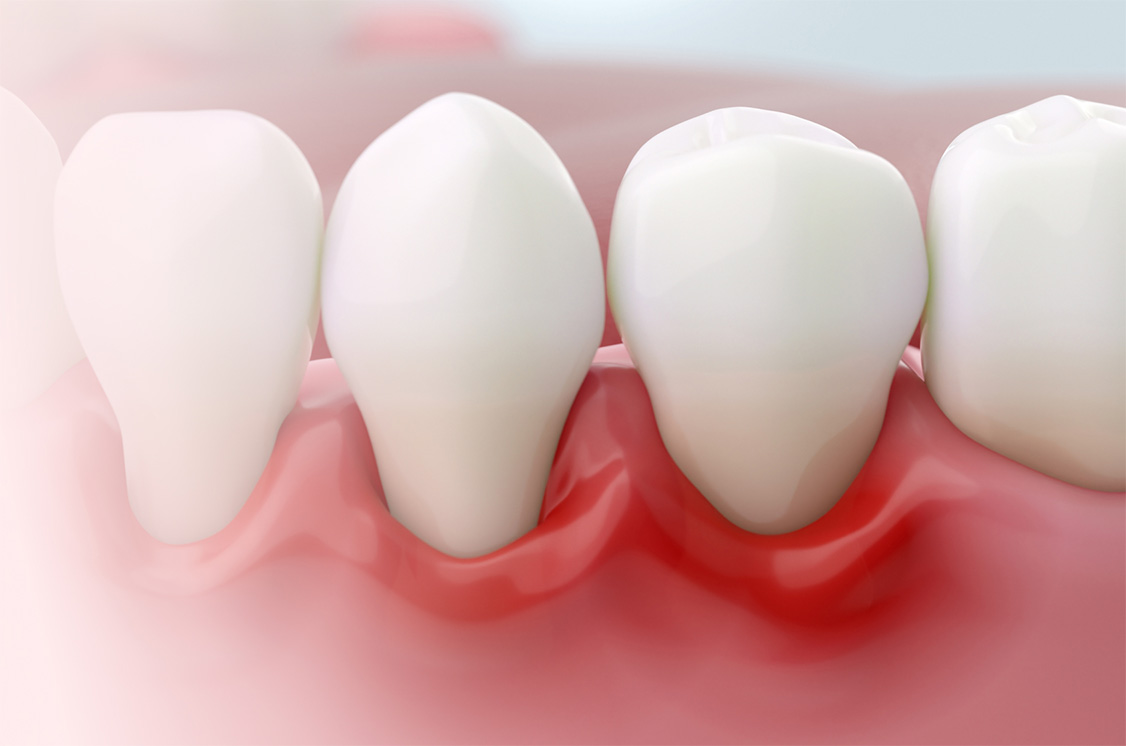
Risk Factors for Periodontal Disease ¹
Modifiable:
- Smoking: Increases the risk of periodontal disease and impairs healing.
- Diabetes: Accelerates attachment loss.
2. Non-modifiable: Factors such as age and dexterity limit cleaning efficiency and may require the use of oral hygiene aids.
High-Risk Groups
- Smokers
- They are at 5x to 20x more risk of developing periodontal disease. 1
- Since smoking impairs healing, smokers must use interdental aids for post-operative success.
- People with diabetes
- Poor glycemic control can result in attachment loss and subsequent periodontal disease.
- Controlling blood glucose levels can reduce risk of periodontal disease and improve treatment outcomes
- Older adults
- Age-related reductions in motor coordination and strength impair plaque control. elevating periodontal risk.
- This makes interdental aids and powered brushing essential for older adults. 2
- People with comorbidities
- Systemic conditions, such as Alzheimer’s disease, Parkinson’s disease, rheumatoid arthritis, psoriasis and respiratory conditions can affect manual dexterity.
- In people with physical limitations and who cannot perform mechanical plaque control, adaptive aids and chemotherapeutic agents like chlorhexidine mouthwash can help in plaque control. 3
Periodontal Management Protocols
| Protocol Area | Parameter | Clinical Significance |
|---|---|---|
| Risk Assessment | Bleeding on Probing (BOP) | Primary indicator of active inflammation and indicates ongoing disease |
| Clinical Attachment Loss (CAL) | Quantifies periodontal tissue destruction; Higher CAL indicates advanced disease | |
| Systemic factors | Smoking and diabetes significantly elevate periodontal risk | |
| Maintenance | Recall Interval (Stage II+ Periodontitis) | 3-month recalls recommended vs. 6-month intervals for periodontally healthy patients |
| Chemical Plaque Control | Short-term chlorhexidine use reduces microbial load during active or post-therapy phases | |
| Reinforcement at Every Visit | Oral hygiene reinforcement combined with professional scaling and polishing | |
| Consistent Monitoring | Minimises disease recurrence and supports long-term tooth retention | |
| Success Metrics | Periodontal Probing Depth (PPD) | Target mean reduction of 1.2 mm to 2.4 mm following initial therapy and patient education 4 |
| Bleeding on Probing Resolution | Indicates effective inflammation control and tissue healing |
At-Home Tools for Improved Plaque Prevention
- Electric Toothbrushes
- Bass technique optimised: To offer superior plaque removal vs. manual 5
- Smokers and people with diabetes: They may experience enhanced healing due to better biofilm disruption
- Older adults: Automatic timers reduce technique errors and can be used by those with reduced manual dexterity
- Interdental Aids
- String floss + water flossers: Enhanced pocket cleaning compared to string floss alone
- Smokers (post-op): Essential for impaired healing; reduces 85% interdental plaque
- Diabetes: Targets early pockets >3mm to prevent progression
- Ultra-Soft Brushes
Products with longer and softer bristles offer deeper cleaning while being gentle on the gums.- Older adults: More prone to gingival recession; slimmer, softer brushes minimise abrasion while helping deeper cleaning.
- High-risk gums: Superior cleaning without tissue trauma
- Antimicrobial Oral Rinses
Chlorhexidine 0.12% is the most commonly recommended oral rinse and is used as a short-term adjunct adjunct for 2 to 4 weeks.- Chlorhexidine 0.12% limits bacterial recolonisation and supports periodontal stability.
- In other high-risk patients, chlorhexidine mouthwash serves as an adjunct to mechanical plaque control, bridging gaps in daily oral hygiene where brushing and interdental cleaning alone may be insufficient.
Elevate patient care. Support healthier gums with targeted, expert-backed care.
Colgate PerioGard Range
PerioGard Mouthwash: Low-staining chlorhexidine formula designed to reduce plaque index by 60.9%, gingival index by 45.8% and bleeding sites by up to 52.2%.
- PerioGard Toothpaste: 2% zinc citrate offers targeted antibacterial protection against three key periodontal pathogens, and minimises gingival inflammation and bleeding.
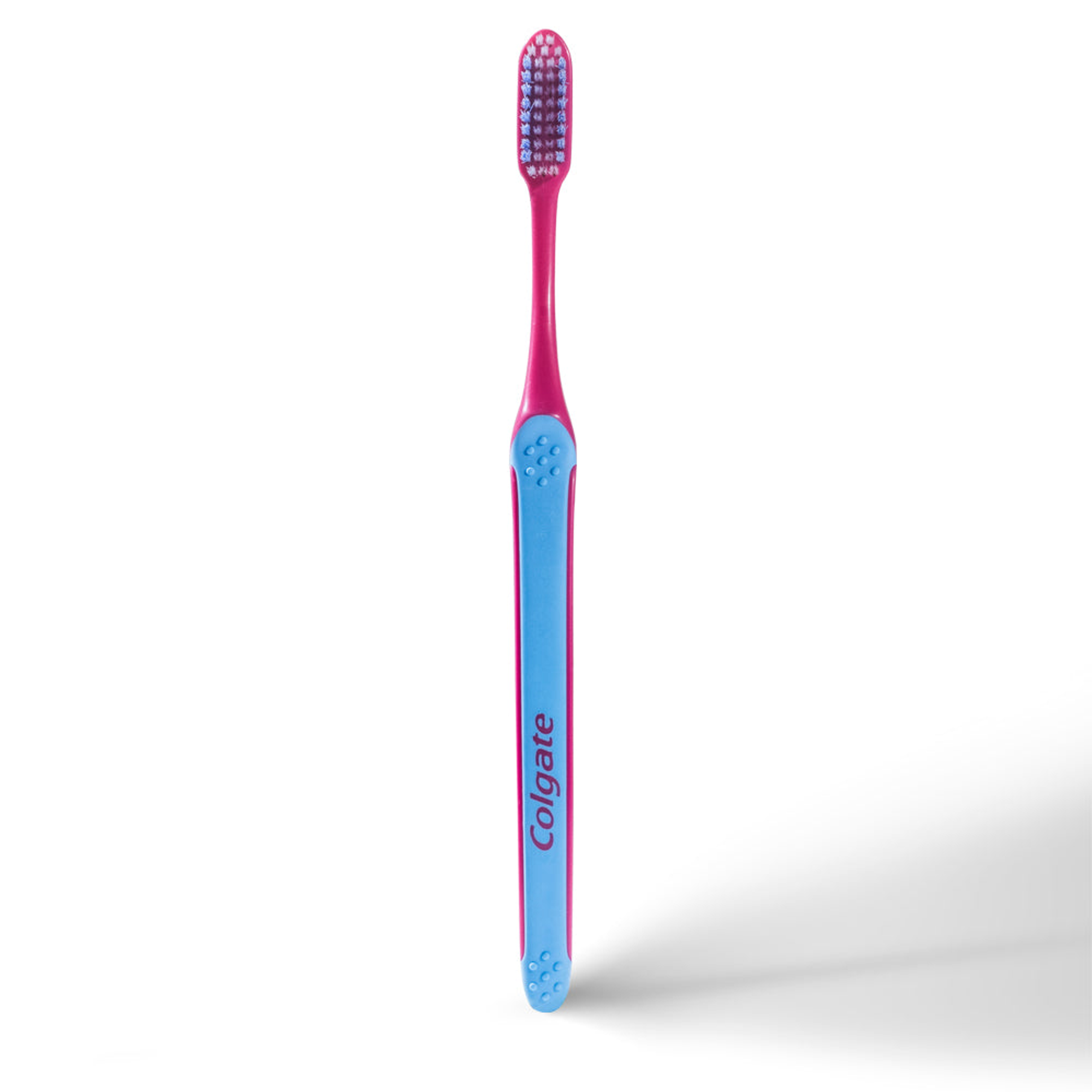
- PerioGard Toothbrush: Engineered with breakthrough Anchor Free Tufting (AFT) technology for advanced cleaning and superior gumline protection.
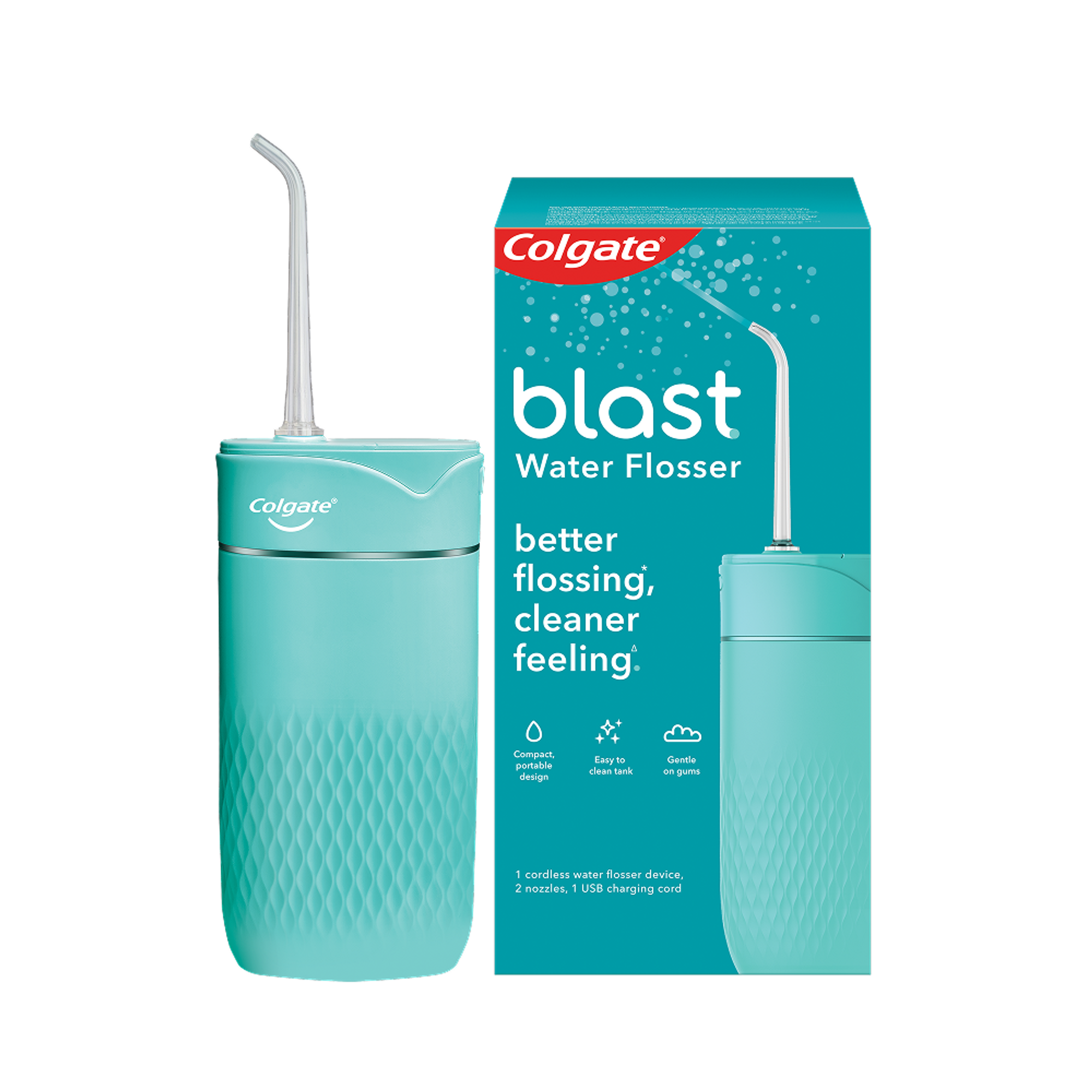
Pair with a water flosser for superior interdental cleaning in high-risk cases. Advise twice-daily routines for lasting results.
References:
1. Gasner, N. S., & Schure, R. S. (2025, May 12). Periodontal disease. StatPearls - NCBI Bookshelf. https://www.ncbi.nlm.nih.gov/books/NBK554590/
2. Holmstrup, P., Damgaard, C., Olsen, I., Klinge, B., Flyvbjerg, A., Nielsen, C. H., & Hansen, P. R. (2017). Comorbidity of periodontal disease: two sides of the same coin? An introduction for the clinician. Journal of Oral Microbiology, 9(1), 1332710. https://doi.org/10.1080/20002297.2017.1332710
3. Chan, A. K. Y., Tsang, Y., Chu, S., & Chu, C. (2025). Comprehensive Strategies for Preventive Periodontal Care in Older Adults. Geriatrics, 10(3), 72. https://doi.org/10.3390/geriatrics10030072
4. Walter, E., Brock, T., Lahoud, P., Werner, N., Czaja, F., Tichy, A., Bumm, C., Bender, A., Castro, A., Teughels, W., Schwendicke, F., & Folwaczny, M. (2025). Predictive modeling for step II therapy response in periodontitis - model development and validation. Npj Digital Medicine, 8(1), 445. https://doi.org/10.1038/s41746-025-01828-3
5. Saroya, K. K., Gupta, A., Shrivastava, R., Mehta, N., & Goyal, A. (2024). Powered versus manual toothbrushes for plaque removal and gingival health amongst 55 and older individuals: A systematic review and meta‐analysis. Special Care in Dentistry, 44(4), 979–989. https://doi.org/10.1111/scd.12974
Join us
Get resources, products and helpful information to give your patients a healthier future.
Join us
Get resources, products and helpful information to give your patients a healthier future.
