
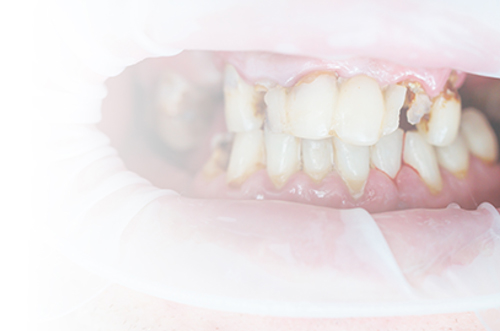
Identifying High-Risk Patients
Early detection and systematic caries risk assessment are the foundation of targeted intervention. A patient can be grouped as high-risk for dental caries if they show one or more of the following indicators:
Multiple carious lesions or restorations in recent years.
Xerostomia or reduced salivary flow
Special healthcare needs affecting oral hygiene
Previous history of rapid caries progression
Low fluoride exposure
Frequent sugar intake or snacking habits (high cariogenic diet)1
It has been observed that most high-risk dental caries patients have severe dietary and dental behaviour problems, and so, there is an urgent need for dental education and extensive use of fluoride in them.
Who are the low-risk patients?¹
Low-risk patients are characterised by
No active carious lesions
Low-cariogenic diet
Sufficient fluoride exposure to prevent caries
Why High-Risk Caries Management Matters
Dental caries is a multifactorial, biofilm-mediated disease influenced by diet, microbial activity, saliva, and fluoride exposure. Modern care emphasises risk-based, preventive, and minimally invasive strategies rather than the traditional “drill-and-fill” approach.²
Preventive Clinical Protocols for High-Risk Patients
Dentists can use the Caries Management by Risk Assessment (CAMBRA) protocol to categorise and manage dental caries in children and adults.¹ According to the CAMBRA protocol, the management of high-risk patients involves a multi-modal preventive strategy that significantly reduces disease progression, followed by a recall interval of four to six months:
Nutritional counselling for control of dental disease
Prescription-strength high fluoride dentifrices (over 5,000 ppm F) twice daily for very high-risk cases³
Use of 0.05% sodium fluoride mouth rinse daily
0.12% chlorhexidine gluconate mouth rinse daily for one week each month
Assess for hyposalivation, as decreased salivary flow can increase the risk of caries.
Behaviour-Driven Risk Reduction
Clinical interventions must be reinforced with sustained behavioural modification.
Patients must be counselled to:³
Reduce the frequency of fermentable carbohydrate intake
Limit sugary snacks between meals
Encourage daily interdental cleaning
Reinforce twice-daily brushing compliance
Follow the at-home instructions given by the dentist thoroughly
For high-risk caries patients, protection must continue beyond the Operatory.
Presenting Colgate Total Advanced Health Toothpaste
Deliver stronger daily protection and superior proactive protection against germs with Colgate Total Advanced’s unique Dual Zinc + Arginine formulation, making it ideal for high-risk caries patients.
It has shown to reduce germs:
38.3% on teeth
39.7 on tongue
35.4% on cheeks
25.9% on gums
Give your patients non-stop 24 hours anti-germ protection after brushing with Colgate Total Advanced Health Toothpaste!
References:
1. The University of Adelaide, Australia. (n.d.). Strategies for Caries Management in General Dental Practice. Caries. https://share.google/vRSkHLfDjoD8yxigp
2. Caries risk assessment and management. (n.d.). American Dental Association. https://www.ada.org/resources/ada-library/oral-health-topics/caries-risk-assessment-and-management
3. Featherstone, J. D. B., Crystal, Y. O., Alston, P., Chaffee, B. W., Doméjean, S., Rechmann, Zhan, L., & Ramos-Gomez, F. (2021). Evidence-Based Caries Management for All Ages-Practical guidelines. Frontiers in Oral Health, 2, 657518. https://doi.org/10.3389/froh.2021.657518


Join us
Get resources, products and helpful information to give your patients a healthier future.
Join us
Get resources, products and helpful information to give your patients a healthier future.
