
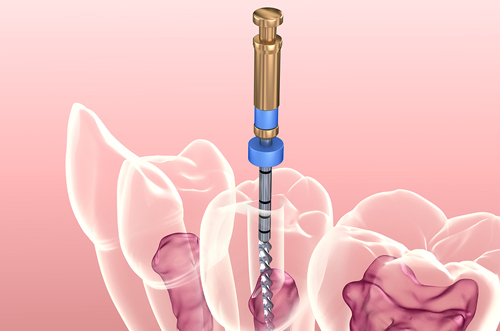
Causes of Endodontic Treatment Failure¹
- Intraradicular infections
- Persistent microorganisms
- Procedural errors
- Missed canals
- Ledges
- Apical transportation
- Poor obturation
- Inadequate irrigation and debridement
- Extraradicular infection
- Extraradicular microbes
- Actinomycosis
- Non-microbial causes
Factors Affecting the Outcome of Endodontic Treatment²
- Pre-operative factors
- Sex
- Age
- Systemic health
- Tooth anatomy and position
- Pre-operative pulpal and periapical status
- Tooth integrity
- Operator’s skill
- Intra-operative factors
- From the access cavity to the root canal filling, devices and tools used by the endodontist.
- Post-operative restorative factors
- Remaining tooth structure and its integrity
- Type of post-endodontic restoration and its material
- The timing of the permanent restoration
- Marginal adaptation
- Occlusal dynamics
Common Challenges of Endodontic Re-Treatment³
Challenge #1: Access to the root canal
Teeth needing endodontic re-treatments often have prior restorations or posts. To achieve optimal root canal access, all restorative materials should be removed from the pulp chamber and crown. However, complete removal risks compromising the prosthetic restoration. Inadequate access can compromise the success of treatment.
Solution: Endodontic access can be made through the existing material, ensuring the restoration is functional, well-fitting, and aesthetically pleasing despite the added complexity for re-root canal treatments. Evaluate the health of the crown before attempting an access opening through it. Use appropriate NiTi instruments and chemical solvents to dissolve old filling.
Challenge #2: Post removal
Improper post removal increases the risk of tooth fracture, jeopardising tooth integrity and longevity. Incomplete post removal or breakage of the post in the canal restricts complete access to the root tip and the effectiveness of endodontic re-treatment.
Solution:
- To remove active posts, the core material around the post is cleared, and the post is ultrasonically mobilised with a counter-clockwise motion, ensuring cooling to prevent heat damage.
- If a composite core is present, it is removed with a bur without damaging the post. The post is then removed by vibration using dedicated ultrasonic tips and water coolant.
- Fibre posts are typically removed with burs, drills, or ultrasonic tips due to adhesive cementation in the canals.
Challenge #3: Removal of old obturation material
This is a crucial step in solving primary endodontic failure. While chemicals are used to dissolve guttapercha, mechanical removal methods are still prevalent. This method is associated with the fracture of NiTi instruments, ledges, stripping, and false channel formation.
Solution: The use of ultrasonic devices and lasers has been proposed to make removal of the filling material easy. Supplementary protocols have been proposed to enhance cleaning and disinfection, such as sonic agitation, passive ultrasonic or laser activation.
Challenge #4: Perforation
Procedural errors like root perforation can affect the success of endodontic re-treatment. While they can occur due to resorptive processes or carriers, iatrogenic perforations give rise to complications post-treatment.
Solution:
- A multi-step diagnostic process is needed to detect the location and cause of the perforation.
- Non-surgical and surgical methods of perforation repair can be used based on the condition. Mineral trioxide aggregate (MTA) creates the most favourable environment for regeneration, making it the most effective perforation repair materials. 3
Reduce interdental plaque and risk of endodontic failure. Help your patients improve their oral hygiene with
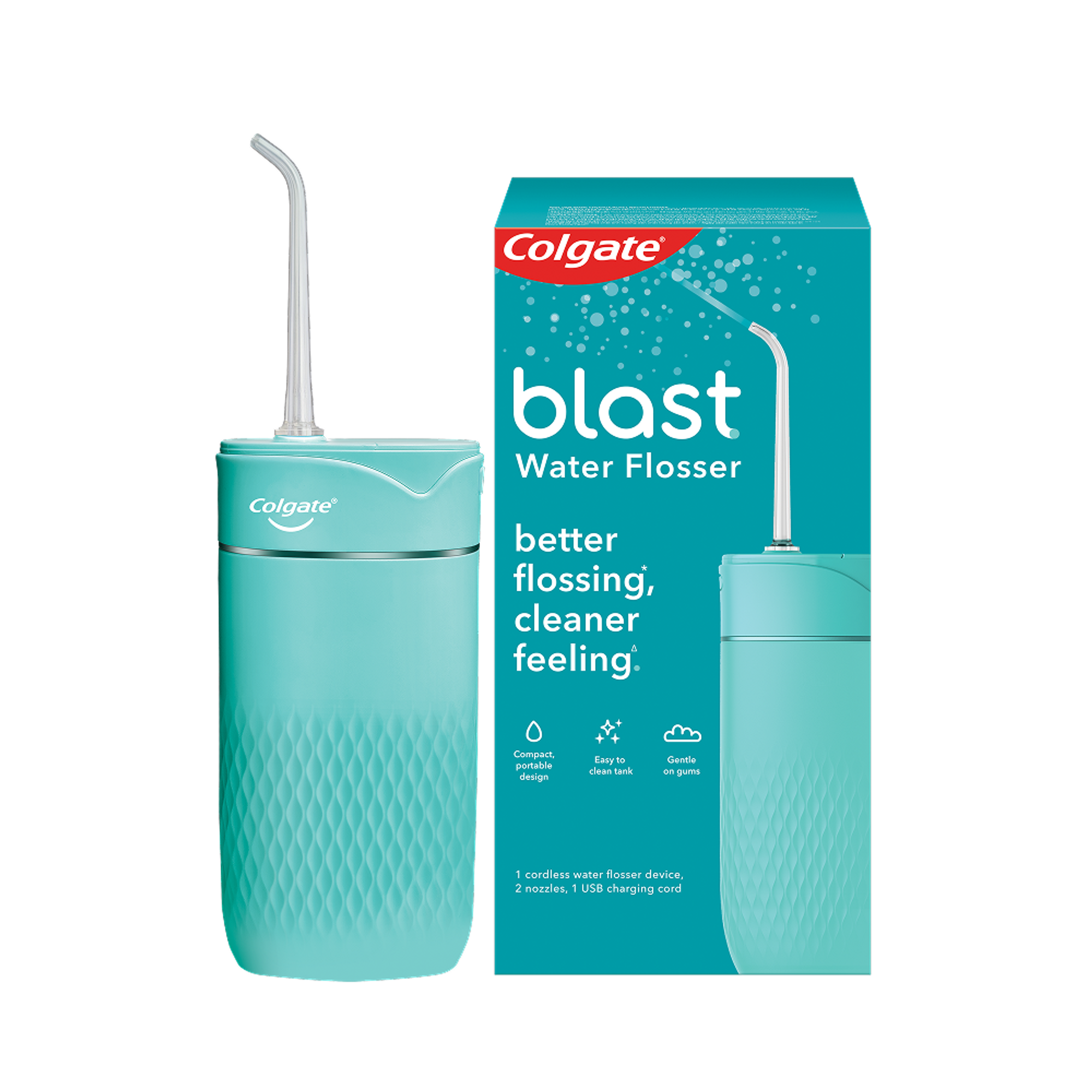
Colgate Water Flosser
Colgate’s portable flossing device:
- It is designed to remove plaque between teeth and along the gum line
- It offers three adjustable pressure modes
- Helps clean around braces, crowns, and bridges
Ensure 12-hour germ-free protection for your patients
Presenting Colgate Total Toothpaste
The advanced dual zinc +arginine technology forms a protective anti-germ barrier. It also eliminates:
- Plaque
- Calculus
- Tartar
- Bad breath
References:
1. Kaur, U., Arora, A., & Malhan, S. (2021). Retreatment endodontics. International Journal of Health Sciences, 149–163. https://doi.org/10.53730/ijhs.v5ns1.5410
2. Zanza, A., Reda, R., & Testarelli, L. (2023). Endodontic Orthograde retreatments: challenges and solutions. Clinical Cosmetic and Investigational Dentistry, Volume 15, 245–265. https://doi.org/10.2147/ccide.s397835
3. Clauder, T. (2022). Present status and future directions – Managing perforations. International Endodontic Journal, 55(S4), 872–891. https://doi.org/10.1111/iej.13748
Join us
Get resources, products and helpful information to give your patients a healthier future.
Join us
Get resources, products and helpful information to give your patients a healthier future.
